
 Business has been slow here at the clinic this past year. I blame it on the endless stream of competitors that seem to be cropping up everywhere… the clinical Pilates studios in particular are going crazy down here on the coast, and people seem to be turning to them for help with sports injuries. I’ve thought about offering group classes here, but we don’t have the space.
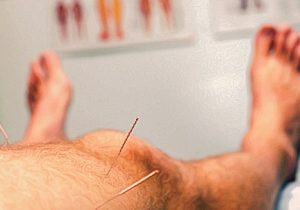
I’ve come to the conclusion that, instead of trying to mimic our competitors, we need a point of difference. That’s why I’ve signed us all up for a clinical dry needling course. Melbourne doesn’t have a huge amount of sports medicine clinicians who are equipped to administer this treatment, so it’s something we can say hold up as point of difference.
It’s all to do with trigger point stimulation, which is something I’m sold on. I’ve heard really good things about the technique as far as treating musculoskeletal conditions like tendonopathies and movement impairments, and believe it will add genuine value for our clients.
The clinical dry needling course we’ve booked in for is a one-weekend thing, which means we don’t need to take time off to head into Melbourne to complete it. Kerry pointed out that it’s not a bad networking opportunity, either, given that a requirement of entry is having a degree in a manual therapy discipline, and preferably being a practising clinician in that field.
I’m not much of a networker, myself. But I recognise that we can do with all the professional connections and referrals we can get at the moment. I’d be interested to know if other clinicians are having trouble or if it’s just us, and if there’s anything we can do differently to bring us up to speed.
At the end of the day, our main goal is to help our patients improve their sporting performance while experiencing a higher quality of life, particularly after an injury. If dry needling can enhance our ability to do that, we’ll be on the right track.
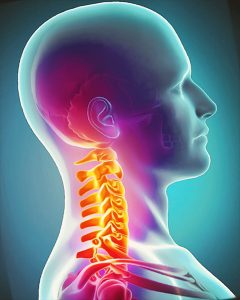 My shoulder has never been quite the same since I injured it playing baseball. It’s not always in pain but every now and then it bugs me. After seeing osteopaths and chiropractors I decided to get some trigger point dry needling and see if that would be any better. Amazingly it really worked for me. What they do is they stick some fine needles into your muscles to release the tension. This lightens the load on your tendons too which helps with joint mobility. After receiving this miraculous manual therapy, I’ve decided to follow some students in